By Mel England
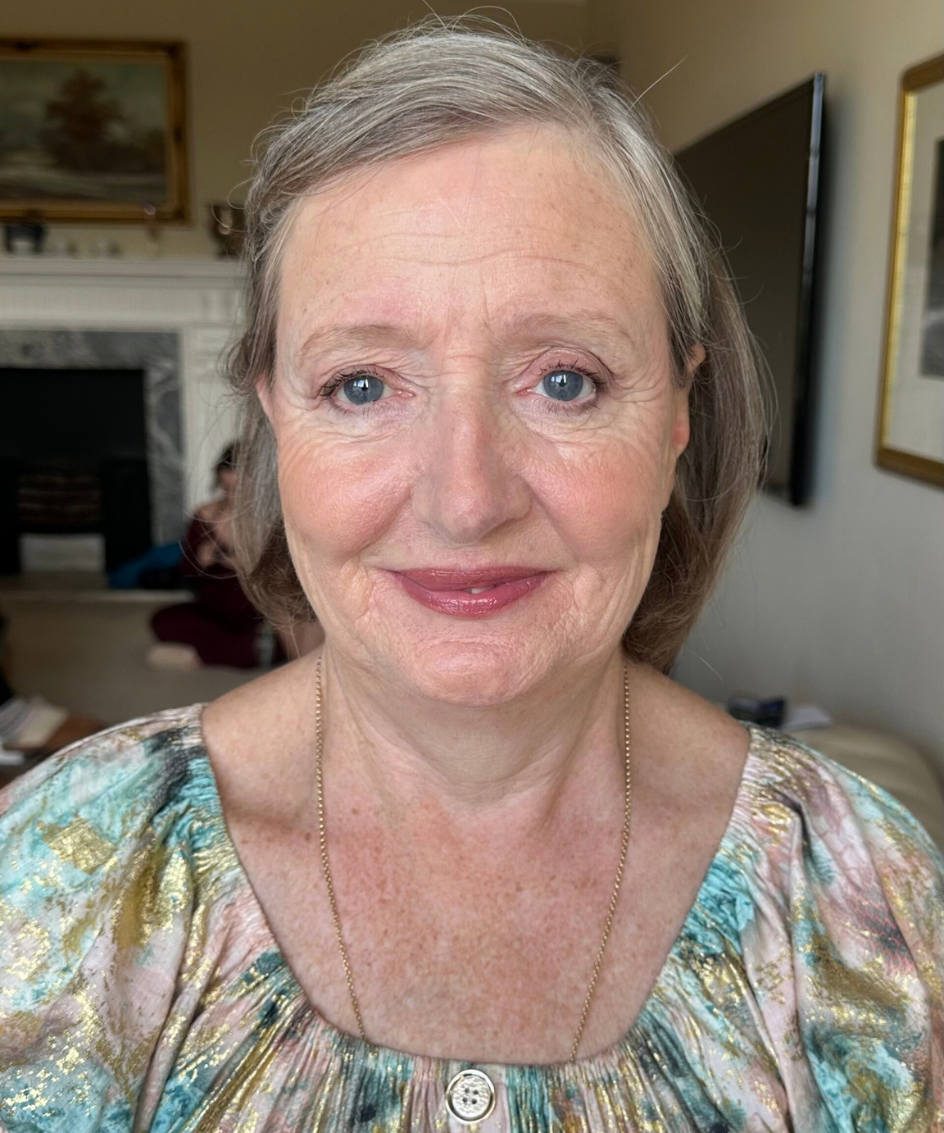
Perhaps you’re using the foundation you’ve loved for years, but now it looks a little dry. Your usual eyeliner seems harder to get right. You’d like that fresh, healthy-looking finish you see on other women, but you’re not sure which products—or techniques—would help.
These are concerns I hear often from women coming for makeup lessons in their 40s, 50s, 60s and beyond. Many tell me they want to feel more confident, but don’t know where to start.
You don’t necessarily need to replace everything. I usually begin by looking at two things: the products you’re using and the way you’re applying them. A few well-chosen changes can make your routine feel much more manageable.
Start with what you’d like to change
When someone tells me her makeup no longer works, I want to understand what that means to her. Does her foundation look visible on the skin? Do her eyes need more definition? Has buying new products become an expensive guessing game?
I also ask about everyday life. A quick routine for work needs to be realistic. Someone who loves a more glamorous look should be able to enjoy that too. Your makeup should suit your preferences as well as your skin and features.
Is your foundation looking too dry or matte?
One of the first things I notice is sometimes an overly matte finish. Foundation and powder may be doing their job in terms of coverage, but the overall effect looks dry or heavier than the woman wants.
That doesn’t mean matte makeup is wrong. I might want a softly matte centre to the face, some freshness on the cheeks and a little gloss on the lips. Different finishes can bring a look to life.
Charlotte Tilbury Beautiful Skin is one foundation I enjoy using when I want a fresh, healthy-looking finish. In my experience, it can give the appearance of that lovely, bouncy skin clients often describe wanting. But it won’t be the right choice for everyone: I look at the finish, coverage and colour together, and recommend trying a sample where possible before buying.
Prepare your skin for the makeup you’re putting on it
If foundation catches on dry areas, I look at the preparation underneath it before simply adding more coverage.
Some skin benefits from a little extra hydration; other skin needs a lighter approach, with a suitable primer used only where it’s helpful. I don’t automatically use the same products all over every face.
Let your skincare settle before applying foundation. If you’re layering several products and your makeup starts rolling into little bits, simplify the preparation and see whether that helps. More product isn’t always better.
Use less foundation, then add coverage where you need it
Clients are often surprised by how little makeup I use.
My philosophy is that a little goes a long way. I prefer to build thin, carefully blended layers, adding more only where it’s needed. You might want extra coverage around the nose or on an area of redness, without needing that same amount across your whole face.
How you apply it matters too. The brush, the pressure and whether you sweep or gently press the product into place can change the finish. These are details we can practise together in a lesson.
The same principle applies to powder: use it where it helps, rather than automatically powdering everything.
“Clients are often surprised by how little makeup I use.”
Mel England
Adapt eye makeup to the space you have
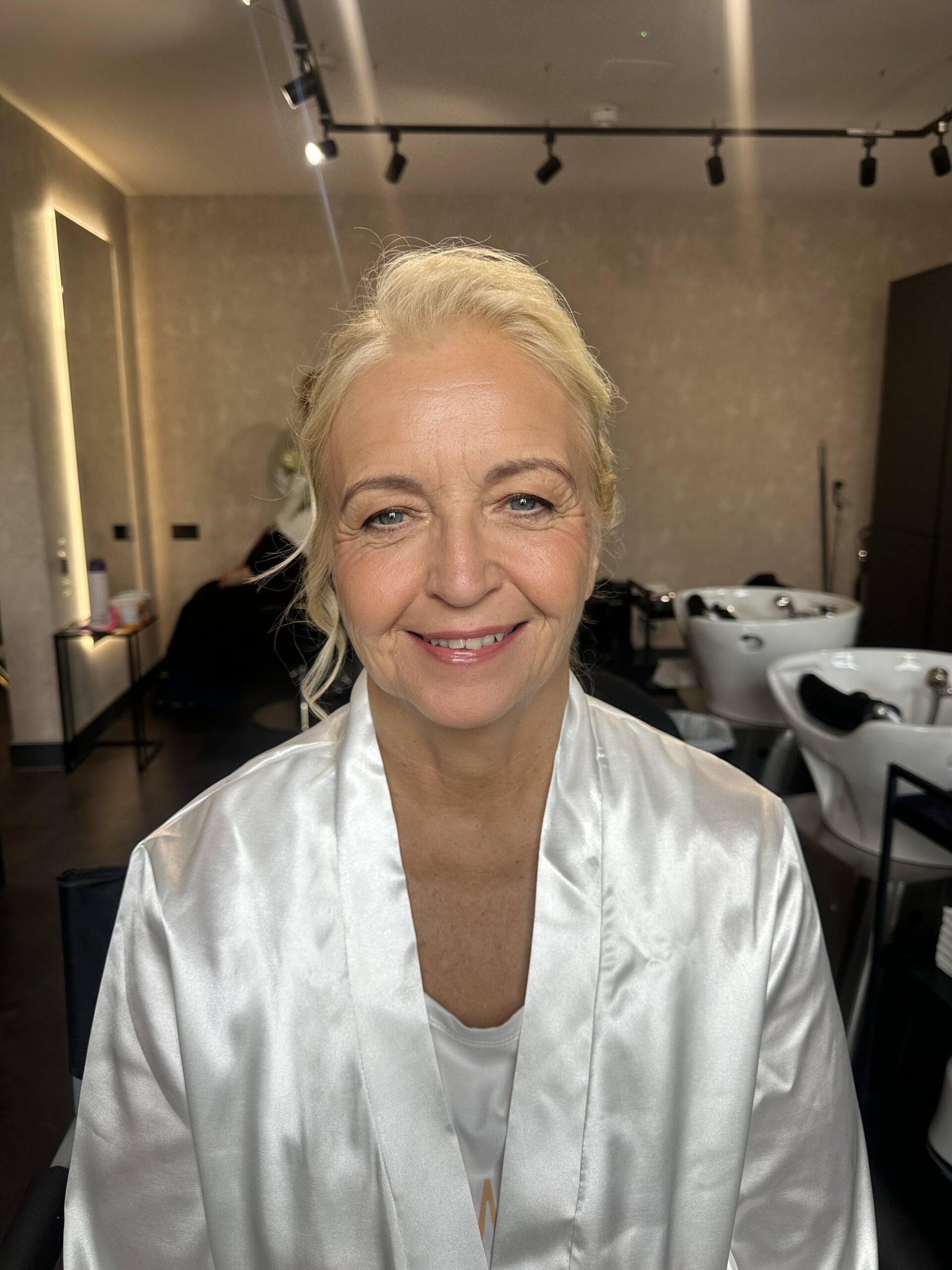
If your usual eye makeup has become frustrating, look at your eyes straight ahead with them open. What can you actually see?
Hooded eyes can occur at any age, and the space available for makeup can also change over time. A wing that looks lovely with the eye closed might disappear into a fold when you look up.
I often use softer pencil and eyeshadow to create definition, adapting the placement to the individual eye. You can still enjoy colour, shimmer or a more glamorous look; the important thing is finding an application that works for you.
For practical advice, read my makeup tips for hooded eyes.
Review your makeup bag before buying more
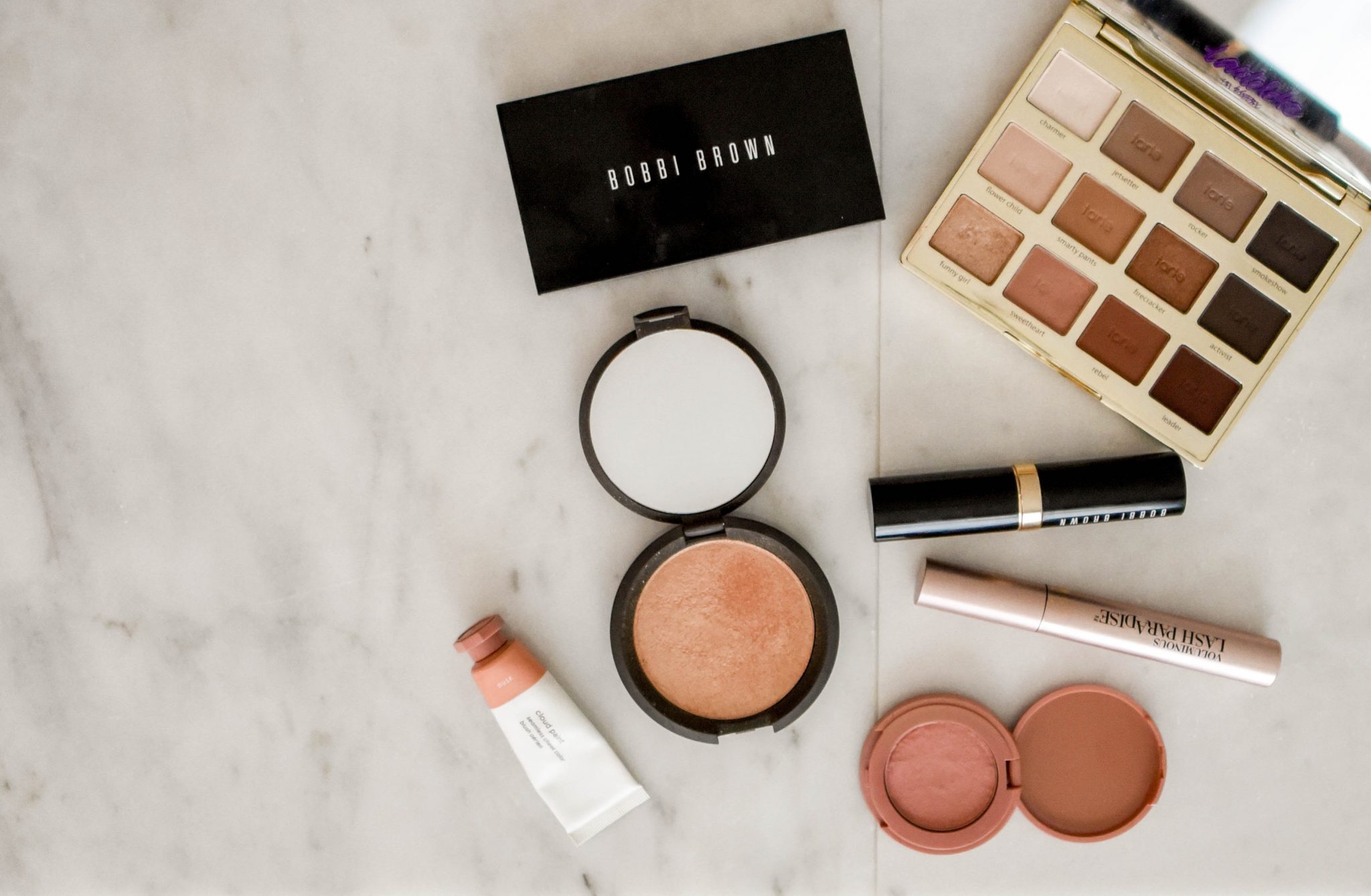
You might have plenty of products, but still feel you have nothing that quite works.
I look for useful things to keep, products we could use differently and any gaps worth filling. A bronzer you already own might also work beautifully through the eye socket. The right brush could make an existing product much easier to use.
Check the packaging on older products too. The open-jar symbol—for example, 12M—indicates the period after opening, in this case 12 months. Follow the product’s own guidance rather than assuming every cream, liquid or powder has the same lifespan. More about cosmetic labelling.
The aim is a makeup bag you understand and enjoy using, with recommendations that fit your skin, colouring, lifestyle and budget.
PERSONAL GUIDANCE
Get help with your own routine
You don’t need to be good at makeup before booking, and you don’t need to buy anything new first.
My mature makeup lessons in Harrogate give us time to work with your own face and practise together. I demonstrate, you have a go, and we adjust the products and techniques to suit you. Afterwards, your personalised guide gives you the steps and recommendations to refer back to at home.